 By admin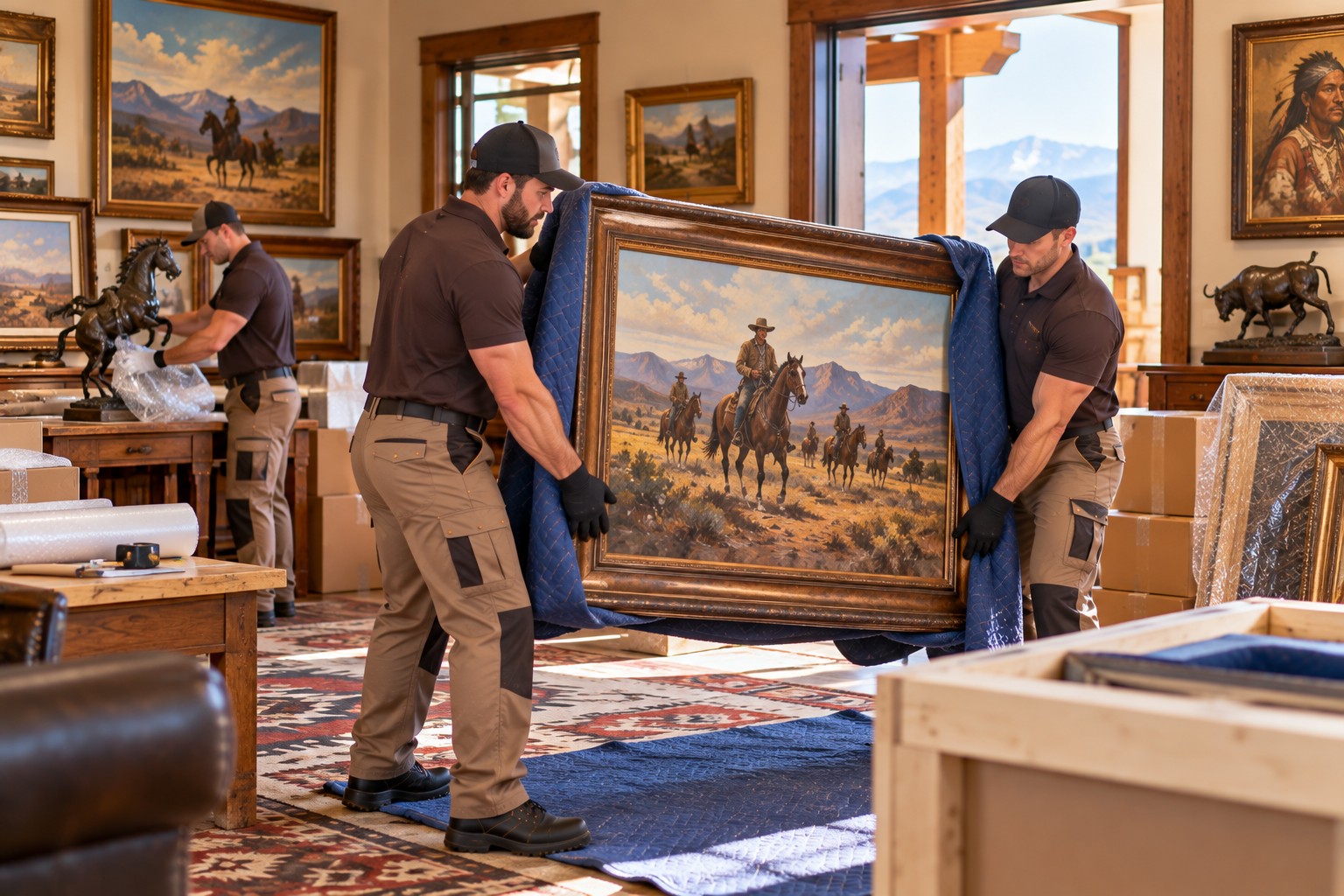
A Western art collection can tell the story of a place through paintings, sculptures, photography, antiques, and handcrafted objects. In Cody, where Western heritage is closely connected with the character of the surrounding region, collectors may have assembled pieces that are both financially valuable and deeply personal. Relocating such a collection therefore requires considerably more care than transporting ordinary household décor.
The safest approach is to treat every significant piece as an individual item with its own material, dimensions, condition, and handling requirements. Careful preparation before moving day can help preserve artwork throughout packing, transportation, and installation.
Begin With a Collection-Level Inventory
Before anything is wrapped, document the collection. Record the artist or maker when known, title or description, dimensions, medium, frame type, and current condition. Photographs from several angles can provide an additional visual record.
Separate paintings from sculptures, framed photography, textiles, ceramics, and other decorative objects. Each category may require different protective materials and positioning during transportation.
Best Moving Services for an art relocation should be selected according to the collection’s requirements rather than treated as a standard household shipment. The more valuable or fragile the pieces, the more important it becomes to discuss handling expectations before loading begins.
Pay Attention to Existing Condition
Older artwork may already have delicate frames, loose components, surface imperfections, or signs of previous restoration. These conditions should be documented before packing.
Avoid attempting last-minute repairs unless the work is being handled by an appropriate conservation professional. The moving team should receive clear information about pieces that require especially careful handling.
Choose Protection Based on the Artwork
A framed oil painting, bronze sculpture, and antique textile should not automatically receive identical packaging. Materials should reflect the physical characteristics of each piece.
Paintings and framed works need protection against scratches, pressure, and accidental impact. Sculptures may require stable supports that prevent movement during transportation. Glass-covered artwork needs additional attention to edges and positioning.
Small accessories should be packed separately but clearly associated with their corresponding artwork. This is particularly important for sculptures with removable bases or framed works with specialized hanging hardware.
Consider Cody’s Regional Conditions
Transportation planning for artwork should account for the conditions surrounding the property. Rural or semi-rural addresses can have longer driveways, uneven surfaces, gravel approaches, gates, or limited staging areas.
Before the moving vehicle arrives, inspect the route from the collection’s location to the loading point. Remove obstacles and determine where fragile pieces can be temporarily staged without exposure to unnecessary weather or foot traffic.
For collectors relocating elsewhere in the state, https://starvanlinesmovers.com/locations/wyoming provides a useful starting point when reviewing moving support throughout Wyoming.
Keep the Loading Sequence Deliberate
Artwork should not simply be placed into a truck wherever space happens to be available. Pieces need to be secured so they cannot shift or come into contact with heavier belongings.
Heavier objects should be positioned separately from fragile framed pieces, while sculptures require stable placement to prevent tipping. An organized loading sequence also makes it easier to locate specific pieces when the collection reaches its destination.
Prepare the New Display Space
The destination should be ready before the collection arrives. Measure walls, doorways, staircases, and display areas in advance. If sculptures are going into dedicated spaces, confirm that those areas can accommodate their dimensions and weight.
Collectors should also consider lighting and environmental conditions. Artwork may require protection from direct sunlight, excessive humidity, or rapid environmental changes. The ideal placement is not always the first visually attractive location, so plan the display before unpacking begins.
Best Moving Services can help with the physical transition, but the collector’s preparation is equally important when valuable artwork is involved.
Keep Documentation With the Collection
Maintain a master inventory throughout the relocation. Important documentation, provenance materials, appraisals, certificates, and insurance information should remain secure and easily accessible rather than being buried in ordinary moving cartons.
For especially valuable works, collectors may also wish to coordinate with insurers or art professionals before transportation.
Moving a Western art collection in Cody requires a balance of logistics and preservation. With detailed documentation, appropriate protection, careful property access planning, and a prepared destination, collectors can relocate paintings, sculptures, and regional treasures while maintaining control over the collection at every stage.